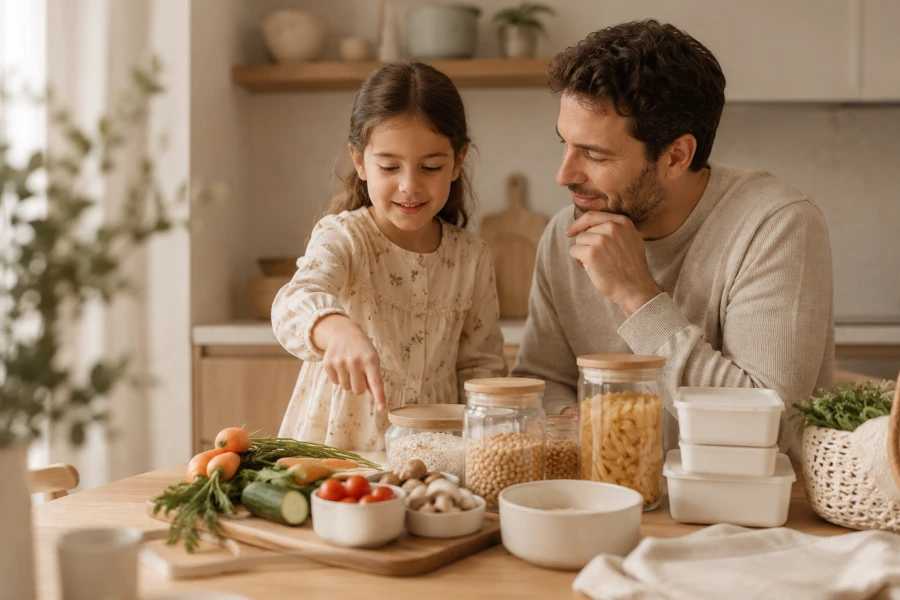
Meal planning for kids works because it gives children a clear role in everyday family life. They are not just being told what to eat. They are learning how meals come together. That shift matters. It builds confidence through small decisions. It also helps parents share responsibility without creating chaos. Children can begin with one choice, one task, or one meal idea. The process grows slowly. A calm system keeps expectations realistic. Families who want an organized starting point can use a weekly menu rhythm to make participation feel simple.
Tiny choices make the process less overwhelming. A child can choose between two breakfasts. Another child can pick a vegetable for dinner. Older children may suggest one lunch idea. These small decisions teach ownership. They also protect parents from giving too much freedom too soon. Children need structure before independence. Choices should match their age and attention span. A simple visual menu can help. So can a short planning conversation after dinner. The best beginning feels easy enough to repeat. Confidence grows when the task feels possible.
Food conversations can stay relaxed and practical. Parents can ask what meal made everyone feel full. They can ask which snack gave the best energy. Children can explain what they liked and what felt difficult. This helps them notice patterns. It also makes nutrition feel less like a rulebook. Families can discuss taste, texture, color, and balance. Those topics are easier than calorie talk. They keep the mood healthy. A kitchen confidence resource can guide these moments. Over time, children become more thoughtful eaters.
Mealtime stress often comes from surprise. Children feel surprised by unfamiliar foods. Parents feel surprised by complaints. A plan softens both problems. When children help create the menu, they know what is coming. They may still resist certain foods. However, resistance often becomes easier to handle. The child has already participated. Parents can remind them of the choice calmly. This does not guarantee peaceful dinners every night. It does create more shared understanding. The table feels less like a battleground. Everyone has more context for the meal.
Ownership works best when parents remain the steady frame. Children can contribute ideas. Adults still manage safety, time, money, and nutrition. This balance prevents frustration. A child might choose taco night. The parent can add beans, vegetables, and fruit. Another child may want pancakes. The family can place that meal on a weekend morning. Boundaries make yes possible. They also help children trust the process. When every idea receives thoughtful consideration, participation feels respectful. Children learn that planning involves both creativity and limits.
Picky eating often improves when children feel less pushed. Planning gives them a voice before food reaches the plate. They can choose one familiar item. They can help pick one new item. They can decide how a vegetable is served. Those small choices lower defensiveness. Parents should still avoid turning dinner into a negotiation. The plan should guide the meal. Gentle exposure matters more than pressure. A child may need many tries before accepting something new. A food independence skills approach makes those tries feel safer.
The strongest results come from repetition. One planning session may feel fun. A repeated routine becomes a life skill. Families can set one weekly time for menu decisions. Sunday afternoon often works well. Friday evening may suit another household. The exact day matters less than consistency. Children learn the rhythm when it repeats. They begin anticipating their role. Parents can keep the session short. Ten minutes can be enough. The habit should support family life, not dominate it. When the process stays steady, children carry the skill forward.


Leave a comment