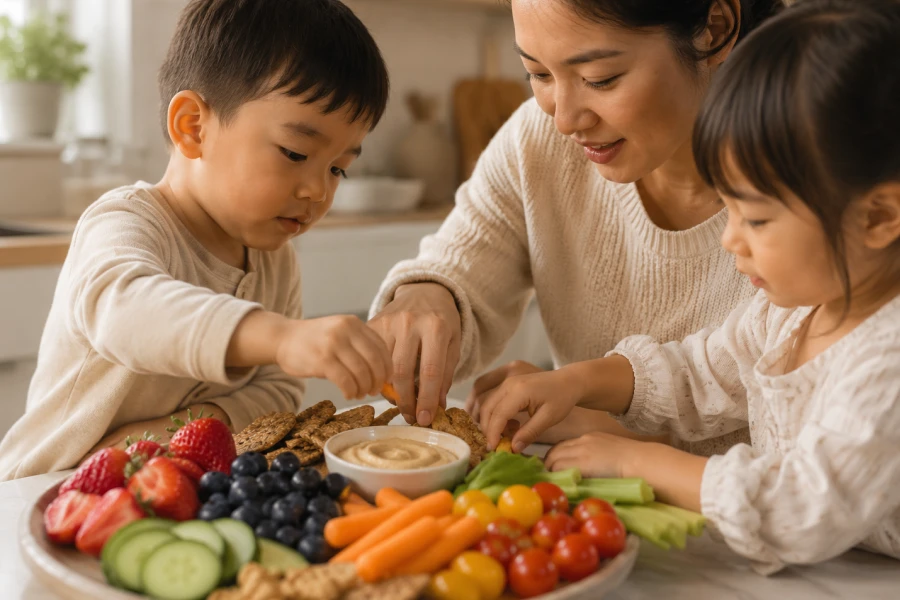
Teaching kids nutrition becomes easier when the lesson happens inside ordinary family routines. Children learn through seeing, touching, choosing, and helping. They do not need complicated explanations. They need repeated exposure to simple ideas. A colorful plate can show balance. A grocery list can show planning. A shared dinner can show responsibility. Parents can introduce these ideas naturally. The kitchen becomes a calm learning space. It also gives children useful confidence. Families who want more structure can begin with family nutrition habits that fit real schedules.
Everyday meals offer the most practical lessons. Breakfast can teach energy. Lunch can teach planning. Dinner can teach balance. Snacks can teach hunger cues. Parents can keep the language simple. Protein helps bodies stay strong. Fruit and vegetables bring color and nutrients. Grains help provide steady fuel. Water supports focus and comfort. These ideas become familiar through repetition. Children remember them better when they appear on the plate. A normal meal can teach more than a formal lecture ever could.
Positive language matters. Children respond better to curiosity than shame. Instead of calling foods bad, parents can explain frequency and balance. Some foods help bodies grow. Some foods are fun sometimes. Many meals can include both nourishment and enjoyment. This approach protects the child’s relationship with food. It also reduces power struggles. Parents can ask what would add crunch, color, or freshness. That question invites participation. It does not create fear. A calm tone helps children build trust around eating decisions.
Children rarely understand food balance from one conversation. They need practice in many settings. They need to plan, shop, prepare, taste, and adjust. Each step adds meaning. A child who chooses berries may later understand why they belong at breakfast. Another child who helps rinse vegetables may feel more open to tasting them. Practice makes ideas real. It also turns nutrition into a skill. Parents should expect slow progress. The goal is not instant agreement. The goal is repeated, low-pressure learning that feels familiar.
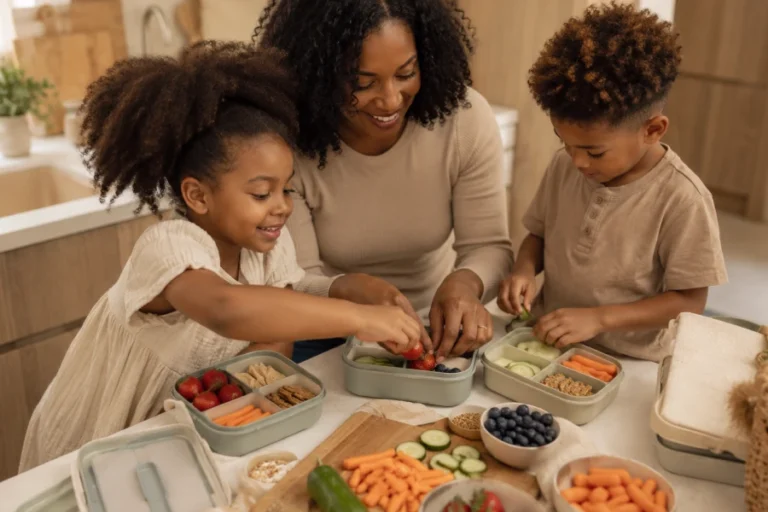
Meal roles help children contribute with pride. A younger child can wash produce. A school-age child can read a simple list. An older child can compare ingredients. Teens can help plan a balanced dinner. These roles make learning active. They also support responsibility at home. Parents can rotate tasks so no child feels stuck. A visible chart can help. Keep the tasks short at first. Success creates motivation. A grocery decision practice system can make these roles easier to repeat.
Food battles usually make learning harder. Children may resist when they feel controlled. Parents can stay firm without turning meals into arguments. Offer clear choices. Keep portions small. Let exposure happen gradually. Encourage tasting, but avoid dramatic reactions. A neutral tone protects the atmosphere. Children often need time before accepting new foods. That is normal. Parents can model enjoyment instead of demanding it. They can describe flavors calmly. When pressure drops, curiosity has more room to grow.
The deeper purpose is independence. Children eventually need to feed themselves thoughtfully. Early practice helps them understand what supports energy, focus, and comfort. It also teaches planning before hunger becomes urgent. Families can revisit the same concepts as children grow. A preschooler learns colors. A ten-year-old learns meal balance. A teen learns budget and schedule. The lesson expands naturally. A responsibility at home approach keeps growth practical. Over time, nutrition becomes part of everyday judgment.


Leave a comment