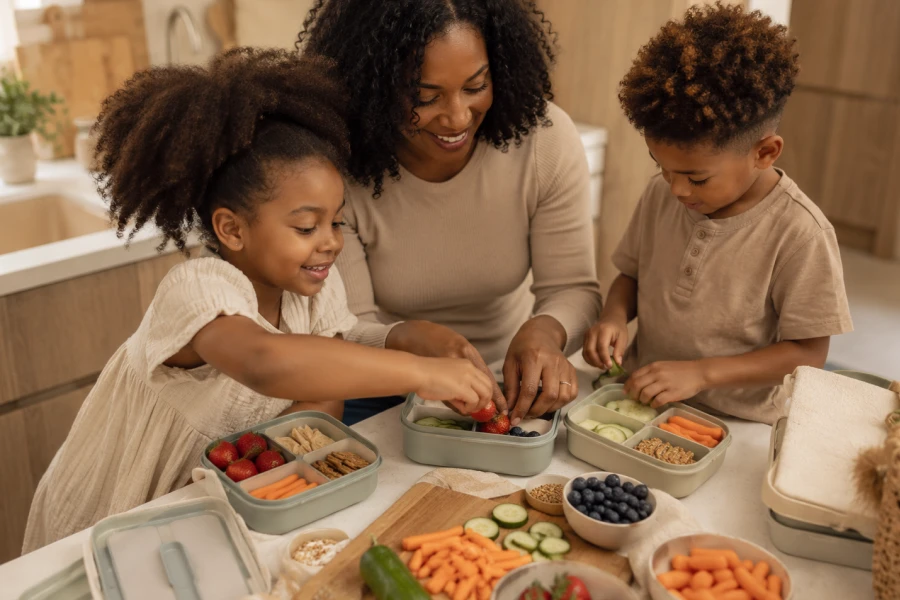
Kids meal planning gives children a practical way to participate in family life with purpose. It turns everyday food decisions into small lessons about responsibility. Parents often carry the full mental load of meals alone. Children can learn to help without taking over adult duties. The process works best when expectations stay simple and age appropriate. A weekly rhythm makes choices feel predictable. Small wins build confidence quickly. Even picky eaters may become more curious when they help choose meals. This approach also supports calmer grocery trips. For parents who want structure, a family meal routine can make the first steps easier.
Children understand responsibility better when it connects to real outcomes. A meal choice affects everyone at the table. That makes the lesson concrete. They see how planning saves time. They notice why balance matters. They learn that favorite foods can fit beside nourishing options. This creates maturity without lectures. Parents can begin with one dinner per week. The child chooses a main dish, a side, and one helpful task. That limited role feels manageable. Over time, the routine becomes a gentle family habit rather than another chore.
A weekly rhythm helps children feel safe inside the process. Monday might be soup night. Tuesday can become pasta night. Friday could stay flexible for leftovers or family favorites. Predictable categories reduce decision fatigue. They also stop the child from facing a blank page. Parents can offer two or three choices within each category. This keeps nutrition boundaries clear. It also gives children meaningful control. A printable dinner planner can help everyone see the week. When the plan is visible, participation feels official and exciting.
Food education becomes easier when children touch the process directly. They can compare colors on a plate. They can learn why protein keeps them full. They can notice how fruit, vegetables, grains, and dairy support different needs. Parents do not need formal lessons. Short conversations work better. Ask what would make a meal more colorful. Ask what side would help the plate feel complete. Children learn by choosing, adjusting, and tasting. This creates natural curiosity. The goal is not perfection. The goal is steady awareness that grows through repetition.
Safe decision-making starts with boundaries. Parents choose the budget, schedule, and nutrition framework. Children choose inside that structure. This protects the household while still giving them ownership. A younger child might pick between carrots and cucumbers. An older child might compare two simple recipes. Teens can help check ingredients before shopping. Each level teaches judgment. Mistakes should stay low pressure. A forgotten side dish can become tomorrow’s lesson. Children remember supportive correction more than criticism. With steady practice, food choices become thoughtful rather than impulsive.
Grocery shopping becomes more than an errand when children understand the plan. They know why certain ingredients matter. They can search for produce, compare sizes, or read simple labels. This builds practical confidence. It also reduces random requests because the list has a purpose. Parents can explain prices without turning the trip into a lecture. Children begin to see how meals connect to money. They also notice how planning prevents waste. The store becomes a classroom with real stakes. A kid-friendly nutrition plan supports that connection at home.
The routine should feel helpful, not heavy. Children do not need to design perfect menus. They need practice making thoughtful choices. Parents can praise effort, flexibility, and follow-through. That matters more than the exact meal. Some weeks will be messy. Schedules change. Tastes shift. A child may pick something unrealistic. Those moments still teach useful skills. Keep the tone calm. Adjust the plan together. When the experience stays warm, children associate food responsibility with pride. That emotional connection helps the habit last longer.




Leave a comment